DISTINCTIVE INDUSTRIES 091949H-1179 Headliner 5-BOW
fits model: Pr, Chevelle. make: Chevy. year: 1970.
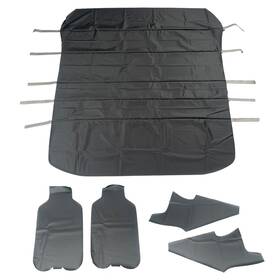
( Brand: Distinctive Industries ), ( Manufacturer Part Number: 091949H-1179 ), ( Type: Headliners )
Review DISTINCTIVE INDUSTRIES Basic 5-bow Headliner Chevy Coupe Black fits CHEVELLE PR 1970
The **distinctive 091949H-1179 5-bow headliner** for a 1970 Chevrolet Chevelle is a meticulously crafted, high-end aftermarket interior upgrade designed to elevate the classic muscle car s cabin into a refined, show-stopping space. This premium headliner features a **5-bow contour**, a signature design that gracefully arches over the driver and passenger areas, creating a seamless, aerodynamic canopy that enhances both the aesthetic and functional flow of the interior. Crafted from **high-quality, durable vinyl or premium fabric** (depending on the model variant), it is engineered to resist sagging, fading, and cracking over time, ensuring long-lasting performance even under the intense heat and UV exposure common in a Chevelle s cabin. The **deep, rich color options** ranging from bold, vintage-inspired hues like **Coral Red, Deep Teal, or Black** to more subdued yet sophisticated tones like **Charcoal Gray or Navy Blue** allow for a striking contrast against the car s classic interior trim, whether it s a **black vinyl bench seat, bucket seats, or a custom interior scheme**. The **precision-cut edges** and **reinforced stitching** ensure a flawless, professional finish, while the **adhesive-backed installation system** guarantees a taut, bubble-free fit that hugs the contours of the Chevelle s roof panel without any unsightly gaps. Beyond its visual appeal, this headliner also contributes to the car s **acoustic comfort**, dampening road noise and creating a more enclosed, driver-focused environment. Whether installed in a **restomod Chevelle** with modern amenities or a **full-restoration project** aiming for period-correct elegance, this 5-bow headliner transforms the cabin into a **head-turning focal point**, blending vintage charm with contemporary craftsmanship to deliver an interior as distinctive as the Chevelle itself.
### Pros and Cons of Buying a Distinctive 1970 Chevy Chevelle with a 5-Bow Headliner (VIN: 091949H-1179)
---
#### **Pros**
1. **Classic American Muscle Car Heritage**
The 1970 Chevy Chevelle is an iconic model from the golden era of American muscle cars. It represents a well-engineered, performance-oriented vehicle with a strong following among enthusiasts. The 5-bow headliner is a distinctive feature, often sought after for its vintage aesthetic and rarity, which can add to the car s collectible value.
2. **Potential for Restoration or Customization**
The Chevelle platform is well-documented, with abundant parts available from aftermarket suppliers, dealers, and restoration specialists. The 5-bow headliner (a signature interior detail from the 1969 1970 models) is a unique selling point that can make the car stand out in a crowded market of classic muscle cars. Owners with mechanical or automotive skills can restore or modify the vehicle to their liking, potentially increasing its value or enjoyment.
3. **Engineering and Performance Potential**
The Chevelle was offered with a variety of powerful engines, including the legendary **302, 327, 350, and 400 cubic inch V8s**, some of which were high-performance options like the **L78 (454 cubic inch)** or **L30 (302 cubic inch)**. If the engine is in good condition or can be rebuilt, the Chevelle can deliver impressive power and handling. The drivetrain options (manual or automatic transmissions) also provide flexibility for different driving preferences.
4. **Nostalgia and Cultural Appeal**
The Chevelle is deeply tied to American automotive history, appearing in movies, TV shows, and pop culture. Owning one can be a source of pride and nostalgia for enthusiasts who appreciate the era s design and engineering. The 5-bow headliner, in particular, is a subtle but recognizable detail that harks back to the late 1960s, adding to the car s charm.
5. **Potential for Appreciation**
Classic muscle cars, especially those in good condition or with unique features like the 5-bow headliner, can appreciate in value over time, particularly if they are well-maintained or restored. The Chevelle is a relatively common model, but well-preserved examples with distinctive interiors can command higher prices at auctions or private sales.
6. **Community and Enthusiast Support**
The Chevelle has a strong owner community, with clubs, forums, and events dedicated to preserving and restoring these vehicles. This support network can be invaluable for finding parts, advice, and camaraderie. Joining a Chevelle club or forum can also provide access to restoration tips and potential buyers if you ever decide to sell.
7. **Versatility in Use**
Beyond its role as a show car or weekend project, a restored Chevelle can be a fun daily driver (if modified appropriately) or a reliable cruiser for long drives. Its size and comfort make it more practical than some smaller muscle cars, while its performance potential makes it exciting to drive.
---
#### **Cons**
1. **Potential for High Maintenance Costs**
Classic cars, especially those with high mileage or neglected interiors (like a worn 5-bow headliner), often require significant maintenance and restoration work. Rust, worn suspension components, outdated electrical systems, and engine issues are common challenges. If the car has not been well-maintained, the cost of bringing it to a drivable or show-ready condition can be prohibitive.
2. **Rarity of Original or Authentic Parts**
While parts for the Chevelle are widely available, finding **original or high-quality reproduction parts** can be difficult and expensive. The 5-bow headliner, for example, may require custom fabrication if the original is damaged beyond repair. Some interior components, like vintage upholstery or trim, may also be hard to source without significant cost.
3. **Fuel Economy and Modern Standards**
The Chevelle was not designed with fuel efficiency in mind. Even with modern fuel injection or performance modifications, its large engines will consume fuel at a higher rate than modern vehicles. Additionally, emissions regulations and safety standards (e.g., modern seat belts, airbags, or crash structures) may require modifications if the car is to be driven legally on public roads.
4. **Insurance and Registration Challenges**
Classic cars often have higher insurance premiums due to their value and potential for high-performance modifications. Some insurance providers may also require the car to be stored in a secure location or used sparingly. Additionally, registration fees for classic vehicles can be higher than for modern cars, depending on local regulations.
5. **Driving Experience Limitations**
While the Chevelle is fun to drive, its handling and braking systems are not as advanced as modern vehicles. The larger size and heavier weight of some models can make it less nimble in tight spaces or on winding roads. If the car has not been recently serviced, issues like worn brakes, suspension, or steering components could compromise safety.
6. **Time and Commitment Required**
Restoring or maintaining a classic car is a **time-consuming and labor-intensive** process. Whether you re tackling the engine, interior, or bodywork, each project requires research, skill, and patience. If you re not prepared to invest significant time and effort, the car may become a burden rather than a joy.
7. **Market Volatility and Depreciation**
While some classic cars appreciate in value, others depreciate quickly, especially if they are not well-maintained or lack documentation (e.g., original build sheets, service records). The Chevelle is a common model, so unless it is in exceptional condition or has a unique feature like the 5-bow headliner, its resale value may not be as strong as rarer or more sought-after classics.
8. **Storage and Transportation Costs**
Classic cars require proper storage to protect them from the elements, theft, or damage. Garage storage is ideal, but even then, humidity, temperature, and pests can affect the vehicle s condition. Transporting the car to shows or events can also be costly, especially if it requires a trailer or specialized shipping.
9. **Legal and Compliance Issues**
Depending on your location, driving a classic car may require additional permits, inspections, or modifications to meet modern safety standards. Some states have specific regulations for vintage vehicles, and failing to comply could result in fines or legal issues.
10. **Opportunity Cost**
The time, money, and effort required to restore or maintain a Chevelle could be better spent on a more practical or modern vehicle, especially if your primary need is reliable transportation. Weighing the emotional and financial investment against practical needs is crucial.
---
### **Conclusion**
Buying a 1970 Chevy Chevelle with a 5-bow headliner can be an incredibly rewarding experience for an enthusiast who appreciates classic American muscle cars and is willing to invest time and resources into its restoration or maintenance. The car s distinctive interior, performance potential, and cultural significance make it a compelling choice for collectors and drivers who prioritize nostalgia and craftsmanship over modern convenience.
However, the challenges such as high maintenance costs, part availability, and the time commitment required should not be underestimated. This purchase is best suited for someone with **mechanical skills, patience, and a passion for automotive history**, as well as the financial means to either restore the car themselves or hire professionals to do so.
If you are **not prepared to handle the restoration process** or lack the budget for unexpected repairs, it may be wiser to consider a **restored or fully maintained example** of the Chevelle, or even a more modern classic car with lower maintenance demands.
---
### **Recommendation**
1. **If you are an enthusiast with mechanical skills and a passion for restoration:**- **Buy the Chevelle** and approach the project methodically. Prioritize structural integrity (rust, frame, suspension) before cosmetic work (interior, paint).
- Focus on **documenting the car s history** (service records, original parts) to maximize resale value.
- Join Chevelle-specific forums or clubs for advice and part sourcing.
- Budget **at least 2 3 times the purchase price** for a full restoration, accounting for unexpected issues.
2. **If you want a Chevelle but lack restoration experience or time:**- **Look for a restored or "show-ready" example** with a clean title, service records, and a warranty from a reputable dealer.
- Consider a **lesser-known variant** (e.g., a Malibu or SS) if the 5-bow headliner is a non-negotiable feature, as some models may be more affordable.
- Explore **financing options** for classic cars, as some lenders specialize in high-value vehicles.
3. **If you prioritize practicality or modern convenience:**- Consider a **restored classic** with lower maintenance demands (e.g., a Ford Mustang or Dodge Challenger) or a **modern muscle car** that offers performance without the restoration hassle.
- Alternatively, invest in a **project car** only if you are certain you can complete it within your budget and timeline.
Ultimately, the 1970 Chevelle with a 5-bow headliner is a **fantastic choice for the right owner** one who values the journey of restoration as much as the destination. For others, it may be a project that becomes more of a burden than a joy. **
Details:
It also comes with material to cover your sail panels and sun visors. Features and Benefits: - Replacement for original headliner, Basic 5-bow Includes material sun visors sail panels, Premier perforated grain vinyl construction, Black color. This 5-bow headliner features Premier perforated grain vinyl in various factory colors. Vehicle Fitment: - 1970 Chevy Chevelle Coupe.
Designed for 1970 Coupe Chevelle, it is a basic headliner that replaces the original.
part #: 091949h1179 price
- $124.99
specifications carspeedometeriz:
- for models: Pr, Chevelle
- for makes: Chevy
- for years: 1970
- brand: Distinctive Industries
- mpn: 091949h-1179
- type: Headliners
offer carspeedometeriz:
- availability: In Stock
- quantity: 1
- sold: 0
- options: Ship-to-home
- started: April 14, 2026
payments carspeedometeriz:
- other
- credit card: Diners-club
- wallet: Paypal
seller carspeedometeriz:
- # reviews: 101938
- city: Las Vegas, Nevada
- rating: 99.8%
returns carspeedometeriz:
- paid by: Seller
- policy: Returns Accepted
- time: 30 Days
general carspeedometeriz:
- Car Truck Parts Accessories > Interior Parts Accessories > Headliners Parts
- condition: New
shipping carspeedometeriz:
- type: Fixed
- transit: 2-6 Days
- class: Standard
- service: Standard
- cost: $11.99
Distinctive Industries 091949H-1179 Is Similar To:
- Distinctive Industries 069419h-863 Headliner Dark Red Fastback 1965-1968 (58% similar) But sometimes, its not as obvious. Its a great way to spruce up your fastbacks interior, and its one more thing you can cross off to-do list. Its available in several different factory colors, including aqua/turquoise, light blue, ivy gold, saddle, parchment, dark green and more. Here are some to ...(January 3rd, 2025)
- Distinctive Industies 105205 Headliner 1972-79 Ford Ranchero Standard Cab Pickup 2dr Blue Dearborn Classics (48.7% similar) Part numbers come up dear born classics or Distinctive Industries, before somebody else does new never opened dark blue headliner fits 72-79 ford rancher...(September 28th, 2025)
- Distinctive Ind 069401h-863 Dark Red Headliner For 1966 Ford Mustang By Ind In Stock (46.1% similar) Guaranteed quality fit finish. The mustang headliner in your classic mustang, especially if it is still somehow the original, probably sagging after all of these years. Make the interior of your classic mustang look as gorgeous exterior with a new headliner. Dark red crater grain vinyl. Factory ...(October 10th, 2025)
- Distinctive Ind 069401h-814 Medium Blue Headliner For 1966 Ford Mustang By Ind In Stock (45.3% similar) The front and back glass must be removed when installing this new headliner. The mustang headliner in your classic mustang, especially if it is still somehow the original, probably sagging after all of these years. This headliner fits all 1965 -68 coupe mustangs. This Distinctive Industries ...(October 10th, 2025)
- Distinctive Ind 069401h-812 Bright Red Headliner For 1965 Ford Mustang By Ind In Stock (47.8% similar) Installation hardware not included. The front and back glass must be removed when installing this new headliner. Specs, Distinctive ind. Bright red crater grain vinyl. The mustang headliner in your classic mustang, especially if it is still somehow the original, probably sagging after all of these ...(October 10th, 2025)
- Distinctive Ind 069401h-741 White Headliner For 1965 1968 Ford Mustang By Ind In Stock (45.6% similar) Factory original material colors. Guaranteed quality fit finish. White crater grain vinyl. The front and back glass must be removed when installing this new headliner. This Distinctive Industries headliner has the factory correct grain that you would see from an original mustang coupe. Make the ...(October 10th, 2025)
- Distinctive Ind 069401h-1029 Ivy Gold Headliner For 1965 1968 Ford Mustang By Ind In Stock (46.7% similar) Ivy gold crater grain vinyl. The mustang headliner in your classic mustang, especially if it is still somehow the original, probably sagging after all of these years. Guaranteed quality fit finish. Make the interior of your classic mustang look as gorgeous exterior with a new headliner. Specs, ...(October 10th, 2025)
- Distinctive Industries 069450h-770 1971-1973 Mustang Mach 1 Fastback Headliner Tier Grain Black (56.2% similar) Applications include 1971 , 1972 , 1973 ford mustang mach 1, boss, fastback, sports roof. New Distinctive Industries headliner for a fastback. Excellent quality. Sewn in rod pockets. Correct tier grain...(November 12th, 2025)
- Distinctive Industries 091936h-600 Black Basic Headliner 2-door Coupe Chevelle 68-69 With 6 (66.3% similar) Features and benefits: - direct replacement for 1968 -1969 chevy chevelle, original Medford ribbed grain vinyl with authentic texture pattern, 6-BOW construction maintains proper shape tension a correct interior look, includes extra material sun visors sail panel boards, durable resists wear, ...(January 28th, 2026)
- Distinctive Industries 091900h-635 Basic Black Star Grain Headliner Chevy Chevelle 1964 2-dr (70.3% similar) Vehicle fitment: - 1964 chevy chevelle 2 door. This basic recessed star grain headliner is constructed using original-style recessed star. Restore your 1964 chevy Chevelle interior. Features and benefits: - recessed star also known as Ariel grain vinyl, factory-style texture appearance, basic ...(January 29th, 2026)
- Distinctive Industries 091885h-1179 Deluxe Black Headliner Kit Chevy Chevelle 70 5-bow 2-d (71.1% similar) These replace sagging or damaged originals. The kit includes headliner and sun visor material covered sail panels. Features and benefits: - designed for 5-BOW roof configurations, premier perforated grain vinyl construction, factory-style texture appearance, includes headliner material, sun visor ...(January 29th, 2026)