BMW 51431933732 Pillar Passenger Interior 4-DOOR LM05
fits model: E30. make: Bmw.
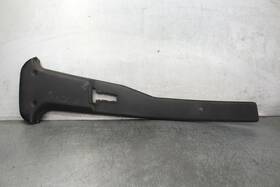
( Manufacturer Part Number: 51431933732 ), ( Type: Interior Trim )
Review BMW Used 1933732 B pillar Trim Passenger Black Interior 4-door fits E30
The **BMW 51431933732 (E30 4-Door B-Pillar Passenger Interior)** is a meticulously crafted, high-quality replacement part designed to restore the structural integrity and aesthetic appeal of a classic BMW E30 sedan. This specific component, part of the **LM05** series, serves as the critical **B-pillar passenger-side interior panel**, a key element that bridges the rear door frame and the roof structure while contributing to the vehicle s iconic silhouette. Crafted from durable, lightweight materials, this part is engineered to match the original specifications of the E30 platform, ensuring a seamless fit with the body-in-white, interior trim, and surrounding components. The design features clean, sharp lines that align with BMW s signature styling cues, blending functionality with timeless elegance. Inside, the panel is likely lined with a high-quality, scratch-resistant material such as a textured vinyl or soft-touch plastic that not only enhances the vehicle s interior ambiance but also provides a comfortable grip for passengers. This component is essential for maintaining the car s structural rigidity, particularly in the rear passenger area, while also contributing to the overall sound insulation and noise reduction within the cabin. Whether restoring a project car to showroom condition or upgrading an existing E30, this **B-pillar passenger interior** part ensures a professional, factory-like finish, reinforcing the vehicle s heritage and driving dynamics. Its precise engineering and attention to detail make it an indispensable choice for enthusiasts seeking authenticity and performance in their BMW restoration.
### **Pros and Cons of Buying a BMW E30 5-Series (LM05) 4-Door (1988 1992) B-Pillar Passenger Interior (VIN: 31933732)**
#### **Pros**
1. **Classic BMW Driving Experience**
- The E30 5-Series is renowned for its precise handling, responsive steering, and engaging driving dynamics. The M54 (or M52) engine variants offer strong performance for their era, with the M54 (1990 ) being particularly sought after for its power and reliability improvements.
2. **Strong Engine Options**
- The **M54 (2.5L inline-6, 170 hp)** is a favorite among enthusiasts due to its balance of power and reliability. Earlier models (M50, M52) are also capable but may require more maintenance.
- The **4-cylinder (M40, M42) engines** are less powerful but more fuel-efficient and often cheaper to maintain. The M42 (1990 ) is a reliable choice if you prioritize economy over performance.
3. **Timeless Design & Resale Value**
- The E30 5-Series is one of BMW s most iconic models, holding strong collector value, especially in well-maintained or restored condition. A properly cared-for example can appreciate over time.
4. **Modification Potential**
- The E30 has a vast aftermarket, allowing for upgrades like performance chips, suspension tuning, engine swaps (e.g., M54, M104), and cosmetic enhancements. The chassis is also popular for drift and track modifications.
5. **Comfortable & Practical for Its Class**
- The 4-door version offers better practicality than the 2-door, with a spacious cabin, decent luggage space (for its size), and a comfortable ride (especially with proper suspension tuning).
- The interior is well-built, with high-quality materials in higher trim levels (e.g., "Touring" or "Sport" packages).
6. **Reliability (With Proper Maintenance)**
- The E30 is generally robust if maintained correctly. The **M54 engine** is particularly durable, often lasting well over 200,000 miles with regular servicing. The **M50/M52** engines are also reliable but may need more attention to timing belts and valves.
- The **transmission (Getrag 213/214)** is sturdy, though some manual models may develop synchro wear over time. Automatics (ZF 4HP22) are less common but can be reliable if serviced.
7. **Affordability Compared to Modern BMWs**
- Prices for well-documented E30s are often lower than newer BMWs, making them an attractive entry point for enthusiasts. A solid example can be found for **$8,000 $15,000**, depending on condition and rarity (e.g., M54, Touring models).
8. **Community & Support**
- A large, passionate owner community exists for the E30, with readily available parts, forums (e.g., BMW328i.com, E30Forum), and restoration guides. This makes troubleshooting and modifications easier.
---
#### **Cons**
1. **Aging Mechanical Components**
- **Suspension:** The original shocks, springs, and bushings wear out over time, leading to a harsh ride. Upgrading to modern suspension (e.g., Bilstein, Eibach) is often necessary for comfort and handling.
- **Brakes:** Rear drum brakes (on manual models) are weak and can overheat. Upgrading to disc brakes (e.g., AP Racing) is common.
- **Steering:** Power steering fluid leaks and worn rack seals are frequent issues. The steering can feel vague or stiff if not maintained.
- **Exhaust:** Original catalytic converters can fail, and modern emissions laws may require upgrades if driving in restricted areas.
2. **Rust & Bodywork Issues**
- The E30 is prone to **rust**, particularly in the **wheel arches, sills, and rear quarter panels**. A thorough inspection of the undercarriage is essential. Some models (especially early 1988 1990) had poor rust resistance.
- **Popping panels** (e.g., hood, trunk) are common due to aging seals and rusted hinges. Cosmetic repairs can be costly.
3. **Interior Wear & Tear**
- The **B-pillar passenger interior** (as mentioned) may show signs of wear, such as cracked plastic, faded upholstery, or worn-out seats. Leather interiors (if equipped) can dry out and crack over time.
- **Electrical gremlins:** The E30 s wiring can be finicky, with issues like faulty window regulators, door locks, or dashboard lights. Modern electronics (e.g., aftermarket stereos) may require wiring harnesses.
4. **Fuel & Emissions Concerns**
- **Fuel system:** Carbon buildup in the intake can reduce performance. Regular fuel system cleaning is recommended.
- **Emissions compliance:** Some states (e.g., California) have strict smog laws. Older E30s may fail inspections unless modified (e.g., with modern catalytic converters or EOBD compliance kits).
- **Fuel economy:** The 4-cylinder models are decent ( 20 25 MPG), but the 6-cylinder engines drink more ( 18 22 MPG), which can be costly over time.
5. **Maintenance Costs**
- While parts are widely available, **labor costs** can add up, especially for specialized work (e.g., engine rebuilds, suspension tuning).
- **Timing belt/rear main seal replacement** (every 60,000 100,000 miles) is critical for M50/M52/M54 engines. Skipping this can lead to catastrophic engine failure.
- **Transmission fluid changes** (every 30,000 60,000 miles) are often neglected but essential for longevity.
6. **Safety & Modern Standards**
- **No modern safety features:** The E30 lacks ABS, airbags (except optional side airbags in later models), and modern crash structures. It s not safe by today s standards, especially in collisions.
- **Visibility:** The tall, upright stance can limit rear visibility, and the lack of blind-spot monitoring makes parking and merging risky.
- **Noise & weather sealing:** Wind noise, road noise, and poor weather sealing (e.g., leaking windows) are common complaints.
7. **Driving in Heavy Traffic**
- The E30 s **manual transmission** (if equipped) can be tiring in stop-and-go traffic due to its tight ratios and clutch wear. The automatic is smoother but may feel sluggish compared to modern transmissions.
- The **engine noise** (especially the 6-cylinder) can be intrusive in city driving.
8. **Parts Availability & Scarcity**
- While parts are widely available, **rare or discontinued items** (e.g., specific trim pieces, original paint colors) can be hard to find and expensive.
- **Original BMW parts** may be costly compared to aftermarket alternatives, which can be of varying quality.
---
### **Key Considerations Before Buying**
1. **Service History**
- **Must-have:** A **full service history** (especially for timing belt/rear main seal changes, valve adjustments, and suspension work). Without this, major repairs could be imminent.
- **Check for:** Rust, frame damage, transmission synchro wear, and exhaust leaks.
2. **Engine Choice**
- **Best for reliability & performance:** **M54 (1990 )** strong, fuel-injected, and easier to maintain than earlier engines.
- **Budget option:** **M42 (1990 4-cylinder)** reliable but less powerful.
- **Avoid (unless restored):** **M50 (early 1988 1990)** carbureted, prone to valve float, and less refined.
3. **Body Condition**
- **Inspect for rust** in wheel arches, sills, and rear quarter panels. A **rust-free example** is ideal.
- **Test all panels** for gaps, popping, or misalignment.
4. **Interior Condition**
- **Seats, carpets, and upholstery** should be in decent shape. Leather interiors may need conditioning.
- **Electrical systems** (windows, locks, lights) should work reliably.
5. **Test Drive Focus Areas**
- **Handling:** Does the car track straight? Are there excessive vibrations or clunks?
- **Brakes:** Do the rear drums (if equipped) squeak or grab? Are the front discs smooth?
- **Transmission:** Does the manual shift smoothly, or are there grinding noises? Does the automatic engage cleanly?
- **Suspension:** Does the car feel stable at speed, or does it wander?
6. **Budget for Repairs**
- **Minor fixes:** Suspension, brakes, exhaust ( $500 $1,500).
- **Major fixes:** Engine rebuild ( $3,0
Details:
Works as should. Used BMW 1933732 B-pillar trim Passenger, Black, Interior E30 4-door LM05, This interior is in good condition with minor cosmetic flaws. Removed From: 1987 BMW 325e with 126,245 miles.
part #: 51431933732 prices
- $35.99-$80.00
specifications carspeedometeriz:
- for models: E30
- for makes: Bmw
- mpn: 51431933732
- type: Interior Trim
returns carspeedometeriz:
- paid by: Buyer
- time: 60 Days
- policy: Returns Accepted
offer carspeedometeriz:
- sold: 0
- availability: In Stock
- quantity: 1
- best offers: True
- started: April 15, 2026
- options: Ship-to-home
general carspeedometeriz:
- condition: Used
- Car Truck Parts Accessories > Interior Parts Accessories > Headliners Parts
shipping carspeedometeriz:
- service: UPS Ground Saver, UPS Ground
- carrier: UPS
- cost: $55.35
- class: Economy, Standard
- type: Calculated
- transit: 5-12 Days
seller carspeedometeriz:
- city: Pomeroy, Pennsylvania
- # reviews: 1911
- rating: 100.0%
payments carspeedometeriz:
- other
- wallet: Google-pay
- credit card: Mastercard
Bmw 51431933732 Is Similar To:
- E90 Bmw Instrument 62109166837 Speedometer 2004-2009 Cluster E91 Used (18.4% similar) Product fitment applications bmw 3 series E21,E30,E36,E46,E90,E91,E92,E93 325I sedan 2004 , 2005 , 2006 , 2007 bmw 3 series E21,E30,E36,E46,E90,E91,E92,E93 325XI sedan 2004 , 2005 , 2006 , 2007 bmw 3 series E21,E30,E36,E46,E90,E91,E92,E93 325XI wagon 2005 , 2006 , 2007 bmw 3 series E21...(March 2nd, 2015)
- 62118379820 325i 323i Used Instrument E36 Bmw Cluster 328i (31.2% similar) I can provide over night, two day, etc just check with me for a quote. Euro auto store. The item was not described correctly in the. I do reduce shipping on multiple items purchased...(October 3rd, 2014)
- 354 850csi Speedometer Cluster 8-series Oem 850ci 850i 2 451 840ci Bmw 840i 91-97 Read E31 8 Door Coupe First (18.8% similar) 91 97 bmw E31 840I 850I 840CI 850CI 850CSI speedometer cluster oem it is a used factory original part...(September 26th, 2014)
- Bmw 7176764 07-13 E92 3 Series 2dr Front Interior Entrance Door Sill Scuff Plate Lm95 (38.1% similar) 07-13 bmw E92 3 series 2DR front interior entrance door sill scuff plate LM95, this interior trim is in good condition with minor cosmetic flaws.this part was pulled from a 2009 bmw 335IVIN-WBAWB73548P042868ENGINE-N54 twin TURBOTRANSMISSION-6HP19 automatic body style-coupe 2 door exterior color-...(September 26th, 2023)
- Bmw 18440-01 2014-2018 X5 Interior Headliner Trim Cover Panel Oem Black (28.6% similar) 8 speed F 8HP automatic transmission. Came off a 2017 bmw x5 SDRIVE35I RWD. F15 body style. 3.0L turbocharged i6 N55 engine...(September 27th, 2023)
- Bmw 573133510 2011-2016 535i Xdrive F10 Upper Overhead Roof Headliner Cover Trim Panel Oem (33.5% similar) Drive type: all wheel drive. Body type: base sedan 4-DOOR. Donor vehicle: 2011 bmw 535I F10. Transmission: 8-SPEED automatic transmission F 8HP-45X...(October 3rd, 2023)
- Bmw 28784594 Oem 2017-2019 X7 M5 4.4l F90 Interior Front Dome Light Note (31% similar) Please carefully review the photos and of items condition fitments before making a purchase to avoid any misunderstandings. In such cases, we'll reach out to you after the purchase discuss delivery costs. Local pick-up: if you prefer local in-person pickup, it is possible...(October 12th, 2023)
- Bmw 51448038136 Headliner Roof Interior A B C Pillar Alcantara Suede Set F10 2011-2016 Oem (37% similar) ...(October 17th, 2023)
- Bmw 8206321 96-99 3-series E36 Sedan Interior Headliner Lining With Sunroof Beige Lot215oem (33.3% similar) Item is in good used working condition. Headliner is in overall excellent clean condition for its age. 1996 -1999 bmw 3-SERIES E36 318I 323I 325I 328I sedan interior factory overhead roof headliner lining with sunroof opening sand beige LOT215 oem. Make model: 1997 bmw 318I E36 sedan. What you ...(October 23rd, 2023)
- Bmw 51476951381 07-13 E92 3 Series 2dr Front Interior Entrance Door Sill Scuff Plate Lm03 (40.7% similar) 07-13 bmw E92 3 series 2DR front interior entrance door sill scuff plate LM03, this interior trim is in good condition with minor cosmetic flaws. Light scratches and scuffs. Mounts in good condition. NUMBER1AUTOPARTS. Works as it should.this part was pulled from a 2007 bmw 328I MILEAGE-152,789 VIN...(October 31st, 2023)
- Bmw 728401115 328i 328 F30 Interior Overhead Roof Headliner Top Panel Cover 12-16 O (31.3% similar) Bmw 328I drive 2015 : engine: 2.0L: transmission: AWD: mileage: 67947 ml. Please see the photo for details. Refer to photos for more details. E-mail address to send a confirmation;. Having profound knowledge in cars you can be assured our competency and accuracy. Company name and address;. Contact ...(November 1st, 2023)