JEGS 96444 Headliner El Line Dot 889944441885 3-BOW
fits model: Camino. make: Chevrolet. year: 1967.
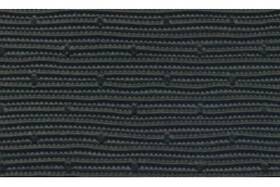
( Brand: Jegs ), ( Manufacturer Part Number: 96444 ), ( Part Type: Line Headliner ), ( Color: Black ), ( Country Of Origin: Usa ), ( UPC: 889944441885 )
Review JEGS Headliner Chevrolet El 3-bow Line Dot Black fits CAMINO 1967
The **1967 Chevrolet El Camino 3-Bow Line Dot Headliner (Part #96444)** is a meticulously crafted aftermarket replacement designed to restore the classic, timeless elegance of this iconic American muscle wagon. This headliner is a precision-engineered fitment, tailored specifically for the 1967 Chevrolet El Camino, ensuring a seamless integration with the vehicle s iconic 3-bow line dot interior trim pattern a hallmark of the era s bold, customizable interiors. Constructed from high-quality, durable vinyl with a matte black finish, this headliner is built to withstand the test of time, resisting fading, cracking, and wear while maintaining its sharp, factory-inspired appearance. The 3-bow line dot motif, characterized by its distinctive raised stitching and textured pattern, adds a touch of vintage sophistication, evoking the same level of craftsmanship found in the original factory interiors of the day. Whether installed in a restored classic, a show-worthy project car, or a daily driver seeking a nod to its heritage, this headliner delivers both authenticity and longevity. Its easy-to-install design, featuring reinforced stitching and pre-attached mounting clips, ensures a clean, professional finish without the need for extensive modifications. Perfect for enthusiasts who appreciate the finer details of automotive history, the **96444 1967 Chevrolet El Camino 3-Bow Line Dot Headliner** is a must-have accessory for those looking to preserve or enhance the interior s vintage charm while maintaining modern durability.
### Pros and Cons of Buying a 1967 Chevrolet El Camino with a 96444 Headliner (3-Bow Line Dot)
#### **Pros:**1. **Classic American Muscle Appeal** The 1967 Chevrolet El Camino is a well-regarded muscle car with a distinctive, retro aesthetic that appeals to enthusiasts. Its boxy, aggressive styling and V8 power make it a standout vehicle, especially in classic car circles.
2. **Strong Engine Options** The 1967 El Camino was available with a variety of powerful engines, including the **327 V8, 396 V8, and even the 427 big-block** in some trims. The 396 and 427 are particularly desirable for performance and towing capabilities.
3. **Versatile Body Style** Unlike full-size trucks, the El Camino was essentially a pickup with a car-like interior, offering a balance between utility and comfort. This makes it a practical yet fun-to-drive classic.
4. **Strong Secondary Market** The 1967 El Camino holds its value reasonably well, especially in well-maintained or restored condition. Popular trims like the **Chevelle SS 396** or **Chevelle Nomad** versions are highly sought after.
5. **Modifiable & Customizable** The El Camino s platform allows for a wide range of modifications, from engine swaps (e.g., LS engines) to suspension upgrades, interior restyling, and even modern safety additions.
6. **Potential for High Performance** With the right modifications, a 1967 El Camino can be transformed into a **high-performance street machine** or a **towing powerhouse**, making it a great project car for enthusiasts.
7. **Nostalgia & Collectibility** As a mid-'60s American muscle car, the El Camino has a strong following among collectors. Certain trims, colors, and options (like the **3-speed manual transmission or rare paint schemes**) can increase desirability.
8. **Potential for Lower Purchase Price** Compared to a full-size Chevy truck or a Chevelle, a 1967 El Camino may be more affordable, especially if it s not a highly modified or rare example.
---
#### **Cons:**1. **Rust & Structural Issues** Many 1967 El Caminos, especially those from the late '60s, suffer from **rust in critical areas** such as the frame rails, floor pans, and wheel wells. A thorough inspection is essential to avoid buying a money pit.
2. **Original Condition & Maintenance History** Finding a **fully original, well-documented** 1967 El Camino in good condition can be difficult. Many examples have been heavily modified, stripped, or neglected over the years.
3. **High Maintenance Costs** Classic muscle cars require **specialized parts, labor, and expertise** to maintain. Original components (like carburetors, distributors, and transmissions) can be expensive, and modern replacements may not always fit perfectly.
4. **Fuel & Emissions Challenges** Modern fuel standards mean that **original carbureted engines may struggle with modern gasoline**, requiring modifications (like fuel system upgrades) to run smoothly. Emissions compliance can also be an issue if the car is to be driven legally in some states.
5. **Limited Modern Comforts** Unlike newer vehicles, a 1967 El Camino lacks **modern safety features (airbags, stability control), advanced electronics, or climate control**. Driving comfort may be compromised, especially on long trips.
6. **Insurance & Registration Costs** Classic cars can be **expensive to insure**, particularly if they are high-performance or heavily modified. Registration fees may also be higher due to their vintage status.
7. **Parts Availability & Lead Times** While many parts are still available, **some rare or discontinued components** (especially for less common trims) can take weeks or months to source. This can delay repairs and restoration work.
8. **Towing & Utility Limitations** While the El Camino was designed for light towing, its **payload and towing capacities are limited compared to modern trucks**. A heavily loaded or modified version may struggle with modern towing demands.
9. **Driving Experience Differences** The **manual transmissions, heavy steering, and less refined suspension** of a 1967 El Camino can make it less comfortable for daily driving compared to modern vehicles.
10. **Market Saturation & Overhyped Values** Some trims (like the **SS 396 or Nomad**) have seen **inflated prices** due to popularity, making it harder to find a good deal without overpaying.
---
### **Conclusion & Recommendation**
The **1967 Chevrolet El Camino** is a fantastic choice for **enthusiasts who appreciate classic muscle cars, enjoy restoration projects, or seek a unique blend of utility and performance**. Its **strong engine options, iconic styling, and modifiable nature** make it a rewarding purchase for those willing to invest time and money into maintenance.
However, **buyers must be prepared for challenges** such as **rust, high maintenance costs, and limited modern conveniences**. If you are **mechanically inclined, have access to a good network of classic car parts, and are willing to put in the work**, this El Camino could be an excellent addition to your collection.
#### **Recommendation:**- **If you want a ready-to-drive classic with minimal hassle**, consider a **restored or well-maintained example** (preferably with a **396 or 427 engine**) and ensure it has **clean title status**.
- **If you re looking for a project car**, focus on a **lower-mileage example with minimal rust** and a **documented service history**. Prioritize **frame condition, engine condition, and transmission integrity**.
- **Avoid buying sight-unseen** always **inspect the vehicle thoroughly** (or hire a trusted mechanic) before purchasing.
- **Budget for restoration costs** expect to spend **$5,000 $15,000 ** depending on the car s condition, even for a "good" example.
- **Consider insurance and storage** classic car insurance can be costly, and long-term storage may be necessary if the car isn t driven often.
**Final Verdict:** The **1967 El Camino is a great buy for the right buyer** someone who values **history, performance, and the challenge of working on a classic**. If you re not prepared for the maintenance and costs, it may be better to look at a **more modern or lower-maintenance classic**.
Details:
part #: 96444 price
- $99.99
specifications carspeedometeriz:
- for models: Camino
- for makes: Chevrolet
- for years: 1967
- brand: Jegs
- mpn: 96444
- part type: Line Headliner
- color: Black
- country of origin: Usa
- upc: 889944441885
offer carspeedometeriz:
- quantity: 3
- availability: In Stock
- sold: 0
- started: May 10, 2026
- options: Ship-to-home
seller carspeedometeriz:
- # reviews: 629227
- city: , Ohio
- rating: 99.4%
returns carspeedometeriz:
- policy: Returns Accepted
- paid by: Seller
- time: 30 Days
general carspeedometeriz:
- condition: New
- Car Truck Parts Accessories > Interior Parts Accessories > Headliners Parts
shipping carspeedometeriz:
- type: Fixed
- transit: 4-8 Days
- cost: $15.99
- service: Standard
- class: Standard
payments carspeedometeriz:
- other
- credit card: Mastercard
- wallet: Paypal
Jegs 96444 Is Similar To:
- Jegs 96447 Headliner With Sail Panels And Sun Visors For 1968-1969 Chevrolet El Camino (58.4% similar) American express...(March 12th, 2026)
- Jegs 96443 Headliner With Sail Panels And Sun Visors For 1964-1965 Chevrolet El Camino (58.4% similar) American express...(March 12th, 2026)
- Jegs 96449 Headliner With Sail Panels sun Visors For 1969-1970 Chevrolet El Camino (61.1% similar) American express...(March 12th, 2026)
- Jegs 96445 Headliner With Sail Panels And Sun Visors For 1967 Chevrolet El Camino 3-bow (66.7% similar) American express...(March 12th, 2026)
- Jegs 889944441946 Headliner With Sail Panels sun Visors For 1971-1972 Chevrolet El Camino (57.3% similar) American express...(May 1st, 2026)
- Jegs 96341 Abs Headliner With Foam Backed Fabric For 1978-1987 Chevrolet El Camino And Gmc (60.6% similar) American express...(May 7th, 2026)
- Jegs 94289 Abs Plastic Headliner For 1965-1966 Ford F-100 F-250 F-350 Standard Cab (40.8% similar) American express...(May 7th, 2026)
- Jegs 96448 Headliner For 1969-1972 Chevrolet El Camino With 3-bow Premier (82.4% similar) American express...(May 7th, 2026)
- Jegs 90834 Headliner Bows 1968-1972 Gm A-body Models 2-door Coupes Only Color Co (42.6% similar) American express...(May 8th, 2026)
- Jegs 96446 Headliner For 1968-1969 Chevrolet El Camino With 3-bow Ribbed (83% similar) American express...(May 10th, 2026)
- Jegs 94136 Abs Plastic Headliner For 1967-1972 Ford F-100 F-250 Standard Cab Truck (45.9% similar) American express...(May 10th, 2026)