REM CVL-HLR-030 El Bow Headliner Sail Panels 1964/1967
fits model: Camino. make: Chevrolet.
( Brand: Rem ), ( Manufacturer Part Number: CVL-HLR-030 ), ( Type: Headliner ), ( Features: Durable ), ( Material: Vinyl ), ( Country Of Origin: United States )
Review REM 1964/1967 Chevrolet El Bow Headliner Sail Panels Perforated Pattern fits CAMINO
The **REM CVL-HLR-030** is a meticulously crafted, high-quality aftermarket replacement for the **1964-1967 Chevrolet El Camino s bow headliner and sail panels**, designed to restore the vehicle s classic, factory-inspired aesthetics with unmatched precision and durability. Engineered from **premium, heavy-duty vinyl**, this restoration kit ensures a seamless, taut fit that eliminates sagging, wrinkles, and the telltale signs of wear that plague older vehicles. The bow headliner, a signature element of the El Camino s interior, is contoured to match the original curvature of the dashboard and windshield header, providing a flush, factory-like appearance that enhances the cabin s vintage charm. Complementing this is the sail panel set, which covers the upper door panels and extends along the side windows, offering both functional protection for the door mechanisms and a polished, cohesive look that bridges the gap between the roof and the bodywork. Crafted with attention to detail, the panels feature **reinforced stitching and reinforced edges** to prevent fraying, ensuring longevity even with frequent use. Whether restoring a show-quality El Camino or simply refreshing a daily driver, the REM CVL-HLR-030 delivers a professional-grade solution that pays homage to the original design while meeting modern demands for quality and ease of installation. Ideal for restorers, customizers, and enthusiasts who refuse to compromise on authenticity, this kit is the perfect choice for those seeking a flawless, period-correct upgrade that turns heads and preserves the soul of America s iconic muscle wagon.
### **Pros and Cons of Buying a 1964/1967 Chevrolet El Camino with a Bow Headliner and Sail Panels (REM CVL-HLR-030)**
#### **Pros**
1. **Classic and Unique Design**
The 1964 1967 Chevrolet El Camino, particularly with a bow headliner and sail panels, is a rare and distinctive model. These features were part of the "Bowtie" or "Bow Headliner" styling package, which gave the truck a more luxurious, car-like appearance. Owning one sets you apart from typical truck enthusiasts and appeals to collectors of vintage American muscle.
2. **Strong Muscle Car Heritage**
The El Camino was essentially a Chevrolet truck with a car body, often sharing components with the Chevelle and Nova. Many were powered by high-performance engines (like the 327, 396, or 427 V8s), making them desirable for enthusiasts who appreciate both utility and power. A well-maintained example could be a fun daily driver or a weekend cruiser.
3. **Potential for Restoration or Modification**
If the vehicle is in rough shape, the bow headliner and sail panels are relatively straightforward to restore or replicate. While some parts may be hard to find, the aftermarket (especially for classic Chevys) has grown significantly, making sourcing materials easier than in the past. Customization options such as engine swaps, interior upgrades, or paint jobs are nearly limitless.
4. **Nostalgia and Collectibility**
The 1960s were a golden era for American automobiles, and the El Camino holds a special place in truck history. As time passes, these models become more sought after by collectors, which could increase their value if preserved properly. Owning one allows you to be part of a niche community of enthusiasts who appreciate this era.
5. **Versatility as a Truck**
Unlike pure muscle cars, the El Camino retains the practicality of a truck capable of towing, hauling, or even serving as a daily driver. This duality makes it more functional than a car-only classic while still offering the aesthetic appeal of a muscle machine.
6. **Lower Purchase Price (Compared to Cars)**
Even in decent condition, a 1964 1967 El Camino with these features will likely cost less than a contemporary muscle car or luxury classic. This makes it a more accessible entry point for those who want a piece of automotive history without breaking the bank.
---
#### **Cons**
1. **Rust and Structural Issues**
Vehicles from this era, especially those exposed to harsh climates or poor maintenance, are notorious for rust. The bow headliner and sail panels themselves may not be the weakest points, but the underlying frame, floor pans, and suspension components often require significant attention. A thorough inspection (or a lift to assess hidden corrosion) is critical before purchasing.
2. **High Maintenance and Repair Costs**
Parts for a 1964 1967 El Camino are available but not always cheap or easy to find. Engines, transmissions, and drivetrains from this era can be finicky, requiring skilled mechanics familiar with classic Chevys. Labor costs for restoration or maintenance can add up quickly, especially if you re not mechanically inclined.
3. **Fuel Economy and Modern Standards**
These trucks were built for an era when gas was cheap and performance was prioritized over efficiency. A V8-powered El Camino will consume fuel at a rate that feels excessive by today s standards, and emissions regulations may require modifications (like catalytic converters or smog compliance) in some states.
4. **Limited Modern Comforts**
Original interiors are often basic by today s standards hard seats, manual windows, and minimal sound insulation. While upgrades (like modern seats, stereo systems, or insulation) can improve comfort, they add to the cost and may detract from the vehicle s authenticity for purists.
5. **Driving Experience Differences**
Modern suspension systems, power steering, and braking are far superior to those of the 1960s. The El Camino may feel less stable at highway speeds, require more effort to maneuver, and have less predictable handling compared to contemporary trucks or even modern classics. This could be a dealbreaker for those who prioritize safety and convenience.
6. **Insurance and Registration Challenges**
Classic cars often qualify for lower insurance rates, but an El Camino especially one with aftermarket modifications or a high-performance engine may not. Rates can be higher than expected, and some insurers may treat it as a "high-risk" vehicle. Additionally, registration fees for vintage trucks can be steep in certain states.
7. **Time-Consuming Restoration (If Needed)**
If the vehicle is in poor condition, restoring it to running or show condition can be a labor-intensive project. The bow headliner and sail panels may require custom fabrication or sourcing of original parts, adding to the time and expense. Some owners underestimate the scope of work required and end up with a project that never fully materializes.
8. **Market Saturation and Value Depreciation**
While the El Camino is rare, the classic truck market has grown crowded with enthusiasts. This can lead to inflated prices for well-preserved examples, while common or neglected ones depreciate quickly. If you re not committed to long-term ownership, resale value may not justify the investment.
---
### **Conclusion**
Buying a 1964 1967 Chevrolet El Camino with a bow headliner and sail panels is a decision that appeals to those who value automotive history, uniqueness, and the challenge of working with a classic vehicle. It offers a blend of truck utility and muscle car aesthetics, making it a compelling choice for collectors, restorers, or enthusiasts who enjoy the hands-on aspect of owning a piece of the past.
However, the cons particularly the potential for rust, high maintenance costs, and the time investment required cannot be overlooked. This vehicle is not a "set-and-forget" purchase; it demands attention, mechanical skill, or a willingness to budget for professional help. If you re prepared for the challenges, the reward is a one-of-a-kind machine with immense character and charm. If you re looking for a low-maintenance, modern-compatible vehicle, this is not the right choice.
---
### **Recommendation**
**Buy it if:**- You have experience with classic car restoration or are willing to learn.
- You re prepared to invest significant time and money into bringing it back to running or show condition.
- You appreciate the rarity of the bow headliner and sail panels and want a vehicle that stands out.
- You re okay with higher fuel costs, lower fuel efficiency, and the challenges of maintaining a 50 year-old truck.
- You plan to keep it long-term and enjoy the process of working on it.
**Avoid it if:**- You re looking for a reliable, low-maintenance daily driver.
- You lack mechanical skills or access to a trusted classic car mechanic.
- You re on a tight budget and cannot afford unexpected repairs or restoration costs.
- You prioritize modern comforts, safety features, or fuel efficiency over nostalgia and heritage.
- You intend to sell it quickly resale value may not justify the purchase unless it s in exceptional condition.
**Final Thought:**This El Camino is a fantastic project for the right owner someone who sees its flaws as opportunities rather than obstacles. If you re passionate about Chevys, enjoy the restoration process, and can afford the time and money, it could become a prized possession. If not, there are plenty of other classic trucks or cars that offer similar nostalgia with less hassle. Always inspect the vehicle thoroughly (or have a trusted mechanic do so) before committing, and consider starting with a less rare model if you re new to classic truck ownership.
Details:
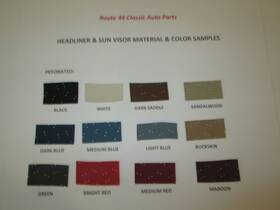
Colors are: Black; White; Dark Saddle; Sandalwood; Blue; Light Medium Buckskin; Green; Bright Red; and Maroon. Headliners are made to order in the USA. Due to the many patterns and colors available these are custom made. Use the zoom feature in listed picture.
Pick your color in one of three ways: 64, 65, 1965, 66, 1966, 67. NEW Headliner for 1964/1967 Chevrolet El Camino 3 Bow, With Sail Panels, Perforated pattern.
part #: cvlhlr030 price
- $307.84
specifications carspeedometeriz:
- for models: Camino
- for makes: Chevrolet
- brand: Rem
- mpn: Cvl-hlr-030
- type: Headliner
- features: Durable
- material: Vinyl
- country of origin: United States
seller carspeedometeriz:
- # reviews: 10018
- rating: 100.0%
- city: Camden-Wyoming,
general carspeedometeriz:
- condition: New
- Car Truck Parts Accessories > Interior Parts Accessories > Headliners Parts
returns carspeedometeriz:
- policy: Returns Accepted
- paid by: Seller
- time: 30 Days
payments carspeedometeriz:
- credit card: Mastercard
- check
- other
- wallet: Paypal
- money order
shipping carspeedometeriz:
- service: FedEx Ground / FedEx Home Delivery
- transit: 46-50 Days
- cost: $21.00
- class: Standard
- carrier: FedEx
- type: Calculated
offer carspeedometeriz:
- quantity: 5
- started: February 7, 2026
- sold: 0
- options: Ship-to-home
- availability: In Stock
Rem CVL-HLR-030 Is Similar To:
- Rem Automotive Inc Dod-hlr-275 60 61 Dodge Dart matador Station Wagon Headliner Perforated Wood Off White 7pc (38.8% similar) New 60/61 dodge dart/matador station wagon headliner perforated wood off white 7PC...(August 15th, 2023)
- Rem Automotive Inc Mon-hlr-005 Headliner 1970-72 Chevy Chevelle Monte Carlo Medium Blue Front Rear Lh Rh 1 Pc (33% similar) Old, sagging or dirty headliner simply ruins the looks of your interior. Available in several different shades to go with your cars interior. Comes with two side pillar panels as well specifications part number: MON-HLR-005 base material: vinyl surface finish: perforated number of bows required: 5 ...(October 4th, 2023)
- Rem Mus-hli-010 New Headliner Insulation For 1965-1973 Ford Mustang Fastback Models 2 Piece (37.2% similar) 65, 66 1966 , 67, 1967 , 68, 1968 , 69, 1969 , 70, 1970 , 71, 1971 , 72, 1972 , 73. Made in the USA. This is the insulation that glues to roof keeping headliner bows from rubbing or rattling against panel and making noise causing premature wear on. Weight of jute is 750 GM grams per square ...(November 12th, 2023)
- Rem Chr-hli-010 New Headliner Insulation 1968-1970 Dodge Charger 2pc (40% similar) Made in the USA. This is the insulation that glues to roof keeping headliner bows from rubbing or rattling against panel and making noise causing premature wear on. Weight of jute is 750 GM grams per square meter. 68, 69, 1969 , 70. New 2-PIECE headliner insulation for 1968 -1970 dodge charger all...(November 13th, 2023)
- Rem Automotive Inc Cam-hli-010 Headliner Insulation For 1970-73 Chevrolet Camaro Coupe 2dr Gray Front Rear (26.6% similar) Trunk insulation. Finding the perfect part for your classic car can be difficult, and even frustrating. Headliner insulation for 1970 - 1973 chevrolet Camry 2 door hardtop jute gray 31 piece 42X43, this item is manufactured fresh each order, right here in the USA. Thousands of: rare custom parts. ...(December 15th, 2023)
- Rem Automotive Inc Dod-hlr-410 Headliner For 1967-1968 Dodge Polara Sedan 4-door Vinyl Black Front 2 Pieces (30.4% similar) Does the glass need to be Removed install headliner?: Removing for a headliner replacement is optional. What are some helpful tips to install headliners?: here headliners:- test fit the headliner with clips before applying glue. Consider using a roller tool for good adhesion. Does this headliner ...(January 22nd, 2025)
- Rem Automotive Inc Nov-hlr-130 Headliner For 1968-1972 Chevrolet Nova 2 Door Sedan Perforated Light Blue (41.8% similar) The complexity of the design, your experience level, and having a helper are main factors. Most people keep the glass in and work sections with a helper, using heat for smooth fit around windows. Thousands of: rare custom parts. Does the glass need to be Removed install headliner?: Removing for a ...(January 22nd, 2025)
- Rem Automotive Inc Cut-hlr-035 Headliner For 1968 Oldsmobile Cutlass Hardtop 2-door Vinyl Blue Front 2 Pieces (28.2% similar) That's not how a headliner should look. Get a perfectly fitting brand new vinyl headliner for your model and restore the interior to its full splendor. Old, sagging or dirty headliner simply ruins the looks of your interior. Fast delivery: on stocked items. Finding the perfect part for your classic ...(January 22nd, 2025)
- Rem Automotive Inc Gtx-hlr-022 Headliner 3 Bow Perforated Maroon For 1971 Plymouth Road Runner Gtx Hardtop (38.4% similar) Once secured, use a sharp blade to carefully trim any excess fabric and tuck the Remaining material under pieces for clean finish. If you're new to it, watch online tutorials and research tips for a successful installation. Fortunately, its not too expensive to replace. Does this headliner come with...(January 22nd, 2025)
- Rem Automotive Inc Sky-hlr-035 Headliner For 1967 Buick Skylark Hardtop 2-door Vinyl Buckskin Front Rear 1 Pc (28.2% similar) Does this replacement headliner come with the bows?: no, is material only. Made in the USA!, how is it made. Headliner for 1967 Buick skylark 2 door hardtop vinyl tier buckskin with sail panels, yup. Finding the perfect part for your classic car can be difficult, and even frustrating. Apply ...(January 22nd, 2025)
- Rem Automotive Inc Fur-hlr-190 Headliner For 1967-68 Plymouth Sport Fury Hardtop Fastback Perforated Buckskin (41.7% similar) Fortunately, its not too expensive to replace. Where is it made. Thousands of: rare custom parts. Once secured, use a sharp blade to carefully trim any excess fabric and tuck the Remaining material under pieces for clean finish. Get a perfectly fitting brand new vinyl headliner for your model and ...(January 22nd, 2025)