REM CVL-HLR-100 Headliner Bow Sail Panels 1/2
fits model: Chevelle. make: Chevrolet. year: 1968–2012.
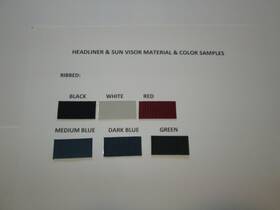
( Brand: Rem ), ( Manufacturer Part Number: CVL-HLR-100 ), ( Type: Headliner ), ( Features: Durable ), ( Material: Vinyl ), ( Country Of Origin: United States )
Review REM Headliner Chevrolet Bow 1/2 Inch Ribbed Pattern Sail Panels fits CHEVELLE 1968–2012
The **REM CVL-HLR-100 Headliner for 1968 Chevrolet Chevelle Bow & 1/2 Sail Panels** is a meticulously crafted, high-performance aftermarket headliner designed to elevate both the aesthetics and functionality of your classic muscle car. Engineered specifically for the iconic **Chevelle SS 396, L88, or LS6** models with the distinctive **Bow & 1/2 Sail** roof configuration, this headliner combines precision tailoring with premium materials to deliver a seamless, factory-like finish. Constructed from **100% polyester fabric**, the headliner features a **durable, breathable weave** that resists sagging, fading, and moisture buildup ensuring long-term durability while maintaining a crisp, clean appearance. The **custom-fit design** accounts for the Chevelle s signature **sail panels**, providing a taut, wrinkle-free installation that hugs the contours of the roof without compromising structural integrity. Reinforced with **high-strength stitching** and **adhesive-backed trim**, this headliner eliminates the need for bulky brackets or unsightly fasteners, offering a **clean, factory-inspired look** that enhances the car s vintage charm. Whether you re showcasing your Chevelle at a concours or cruising down the highway, the **REM CVL-HLR-100** ensures a **luxurious, driver-focused cabin** that complements the power and presence of your engine bay. Perfect for restomod enthusiasts, restoration purists, or those seeking a subtle yet sophisticated upgrade, this headliner is a testament to REM s commitment to **authenticity, performance, and timeless craftsmanship**.
### **Pros and Cons of Buying a 1968 Chevrolet Chevelle SS 396 (C3) with Rem CVL-HLR-100 Headliner and Sail Panels**
#### **Pros**
1. **Classic Muscle Car Heritage** The 1968 Chevelle SS 396 is one of the most iconic American muscle cars, embodying the golden era of American automotive performance. Its aggressive styling, powerful V8 engine, and strong following make it a desirable collector s item.
2. **Strong Engine Options** The SS 396 typically came with a 396 cubic inch V8 engine, producing around 300 375 horsepower in its base form. With aftermarket modifications, it can be tuned to produce even more power, making it a fun and capable driver s car.
3. **Reliability of the C3 Platform** The C3 Chevelle is known for its solid construction and durability, especially when compared to some of its contemporaries. With proper maintenance, many examples have lasted well over 100,000 miles.
4. **Aftermarket Support** The Chevelle has a massive aftermarket community, offering everything from performance parts to restoration supplies. This makes it easier to maintain, modify, and restore compared to more obscure muscle cars.
5. **Potential for Customization** The Chevelle s design allows for extensive customization, from paint and interior upgrades to engine swaps and suspension modifications. The Rem CVL-HLR-100 headliner and sail panels suggest that the owner has already taken steps toward restoration or personalization, which can be appealing if you value a well-crafted build.
6. **Driving Experience** The Chevelle s weight and power make it a fun car to drive, especially on back roads or at drag strips. Its solid handling and responsive engine provide an engaging experience for enthusiasts.
7. **Investment Potential** Well-preserved or restored Chevelle SS 396s can appreciate in value over time, particularly if they are in good condition or have unique features. The Rem headliner and sail panels may add to its collectibility.
8. **Community and Events** Owning a Chevelle opens doors to car shows, cruises, and enthusiast events, where you can connect with like-minded individuals and showcase your vehicle.
---
#### **Cons**
1. **High Maintenance Costs** Like all classic cars, a 1968 Chevelle requires regular maintenance, including engine tune-ups, transmission servicing, suspension work, and rust repairs. If the car is not well-maintained, these costs can add up quickly.
2. **Rust Issues** Many Chevelle SS 396s from the late 1960s suffer from rust, particularly in the floor pans, rocker panels, and wheel wells. Inspecting the car thoroughly for rust before purchasing is crucial to avoid costly repairs.
3. **Originality vs. Restoration** The Rem CVL-HLR-100 headliner and sail panels suggest that the car has been modified or restored. While this can be a positive, some purists prefer fully original examples. If you value originality, this may be a drawback.
4. **Fuel and Insurance Costs** Modern fuel prices and insurance rates for classic cars can be higher than for modern vehicles. Additionally, if the car is modified or has a high-performance engine, insurance costs may increase.
5. **Driving Practicality** The Chevelle is not a practical daily driver. Its size, fuel efficiency (around 10 12 MPG in its stock form), and limited modern amenities (e.g., no power windows, air conditioning, or modern safety features) make it better suited for weekends and special occasions.
6. **Parts Availability** While parts are widely available, some rare or aftermarket components (especially for high-performance builds) can be expensive or difficult to source. This is less of an issue for stock or common modifications but can be a concern for unique builds.
7. **Depreciation Risk** Classic cars can depreciate if they are not well-maintained or if the market shifts. A poorly restored or neglected Chevelle may lose value over time, whereas a meticulously restored one could appreciate.
8. **Time and Effort Required** Owning a classic car is a labor of love. It requires time for driving, maintenance, cleaning, and occasional projects. If you re not willing to invest time and effort, the experience may become frustrating.
---
### **Conclusion**
Buying a 1968 Chevrolet Chevelle SS 396 with a Rem CVL-HLR-100 headliner and sail panels can be an exciting and rewarding experience for an automotive enthusiast. The car offers a blend of classic muscle car appeal, performance potential, and customization options. However, it also comes with significant challenges, including high maintenance costs, potential rust issues, and the need for time and financial commitment.
If you are passionate about classic cars, enjoy the restoration process, and are prepared for the responsibilities of owning a vintage vehicle, this Chevelle could be an excellent addition to your collection. On the other hand, if you prioritize practicality, low maintenance, or modern convenience, this may not be the right choice.
---
### **Recommendation**
Before purchasing, thoroughly inspect the car for rust, mechanical condition, and any hidden issues. Consider the following steps:1. **Get a Pre-Purchase Inspection (PPI)** Hire a trusted mechanic or classic car specialist to evaluate the engine, transmission, suspension, and body condition.
2. **Verify the Restoration Work** Ensure the Rem headliner and sail panels are properly installed and do not hide underlying problems. Check for signs of poor welding or corrosion.
3. **Budget for Maintenance** Set aside funds for unexpected repairs, as classic cars often require ongoing care. Aim for at least 10 15% of the car s value annually for maintenance.
4. **Consider Your Goals** Decide whether you want a fully original car, a restored project, or a modified performance machine. Your goals will shape your expectations and budget.
5. **Join the Community** Connect with Chevelle enthusiasts for advice, parts sourcing, and support. Groups like the Chevelle Club of America can be invaluable resources.
If you are prepared for the challenges and excited about the prospect of owning a piece of automotive history, this Chevelle could be a fantastic investment in both enjoyment and potential appreciation. However, if you are not ready for the commitment, it may be wise to wait or consider a more modern or lower-maintenance classic.
Details:
New Headliner for 1968 Chevrolet Chevelle all 2 Door Hardtop model's. Headliners are made to order in the USA. Due to the many patterns and colors available these are custom made. Use the zoom feature in listed picture.
5 bow, 12 1/2 Ribbed pattern. Sail Panels included. Pick your color in one of three ways: Colors are: Black; White; Red; Medium Blue; Dark and Green.
part #: cvlhlr100 price
- $480.59
specifications carspeedometeriz:
- for models: Chevelle
- for makes: Chevrolet
- for years: 1968-2012
- brand: Rem
- mpn: Cvl-hlr-100
- type: Headliner
- features: Durable
- material: Vinyl
- country of origin: United States
general carspeedometeriz:
- condition: New
- Car Truck Parts Accessories > Interior Parts Accessories > Headliners Parts
seller carspeedometeriz:
- rating: 100.0%
- # reviews: 10018
- city: Camden-Wyoming,
offer carspeedometeriz:
- sold: 0
- options: Ship-to-home
- availability: In Stock
- quantity: 5
- started: February 6, 2026
shipping carspeedometeriz:
- type: Calculated
- service: FedEx Ground / FedEx Home Delivery
- class: Standard
- transit: 46-50 Days
- carrier: FedEx
- cost: $21.00
returns carspeedometeriz:
- policy: Returns Accepted
- paid by: Seller
- time: 30 Days
payments carspeedometeriz:
- other
- check
- money order
- credit card: Discover
- wallet: Apple-pay
Rem CVL-HLR-100 Is Similar To:
- Rem Automotive Inc Dod-hlr-275 60 61 Dodge Dart matador Station Wagon Headliner Perforated Wood Off White 7pc (32.7% similar) New 60/61 dodge dart/matador station wagon headliner perforated wood off white 7PC...(August 15th, 2023)
- Rem Automotive Inc Mon-hlr-005 Headliner 1970-72 Chevy Chevelle Monte Carlo Medium Blue Front Rear Lh Rh 1 Pc (49% similar) Old, sagging or dirty headliner simply ruins the looks of your interior. Available in several different shades to go with your cars interior. Comes with two side pillar panels as well specifications part number: MON-HLR-005 base material: vinyl surface finish: perforated number of bows required: 5 ...(October 4th, 2023)
- Rem Mus-hli-010 New Headliner Insulation For 1965-1973 Ford Mustang Fastback Models 2 Piece (36.8% similar) 65, 66 1966 , 67, 1967 , 68, 1968 , 69, 1969 , 70, 1970 , 71, 1971 , 72, 1972 , 73. Made in the USA. This is the insulation that glues to roof keeping headliner bows from rubbing or rattling against panel and making noise causing premature wear on. Weight of jute is 750 GM grams per square ...(November 12th, 2023)
- Rem Chr-hli-010 New Headliner Insulation 1968-1970 Dodge Charger 2pc (39.5% similar) Made in the USA. This is the insulation that glues to roof keeping headliner bows from rubbing or rattling against panel and making noise causing premature wear on. Weight of jute is 750 GM grams per square meter. 68, 69, 1969 , 70. New 2-PIECE headliner insulation for 1968 -1970 dodge charger all...(November 13th, 2023)
- Rem Automotive Inc Cam-hli-010 Headliner Insulation For 1970-73 Chevrolet Camaro Coupe 2dr Gray Front Rear (45.9% similar) Trunk insulation. Finding the perfect part for your classic car can be difficult, and even frustrating. Headliner insulation for 1970 - 1973 chevrolet Camry 2 door hardtop jute gray 31 piece 42X43, this item is manufactured fresh each order, right here in the USA. Thousands of: rare custom parts. ...(December 15th, 2023)
- Rem Automotive Inc Dod-hlr-410 Headliner For 1967-1968 Dodge Polara Sedan 4-door Vinyl Black Front 2 Pieces (38.8% similar) Does the glass need to be Removed install headliner?: Removing for a headliner replacement is optional. What are some helpful tips to install headliners?: here headliners:- test fit the headliner with clips before applying glue. Consider using a roller tool for good adhesion. Does this headliner ...(January 22nd, 2025)
- Rem Automotive Inc Nov-hlr-130 Headliner For 1968-1972 Chevrolet Nova 2 Door Sedan Perforated Light Blue (52.2% similar) The complexity of the design, your experience level, and having a helper are main factors. Most people keep the glass in and work sections with a helper, using heat for smooth fit around windows. Thousands of: rare custom parts. Does the glass need to be Removed install headliner?: Removing for a ...(January 22nd, 2025)
- Rem Automotive Inc Cut-hlr-035 Headliner For 1968 Oldsmobile Cutlass Hardtop 2-door Vinyl Blue Front 2 Pieces (36.5% similar) That's not how a headliner should look. Get a perfectly fitting brand new vinyl headliner for your model and restore the interior to its full splendor. Old, sagging or dirty headliner simply ruins the looks of your interior. Fast delivery: on stocked items. Finding the perfect part for your classic ...(January 22nd, 2025)
- Rem Automotive Inc Gtx-hlr-022 Headliner 3 Bow Perforated Maroon For 1971 Plymouth Road Runner Gtx Hardtop (40% similar) Once secured, use a sharp blade to carefully trim any excess fabric and tuck the Remaining material under pieces for clean finish. If you're new to it, watch online tutorials and research tips for a successful installation. Fortunately, its not too expensive to replace. Does this headliner come with...(January 22nd, 2025)
- Rem Automotive Inc Sky-hlr-035 Headliner For 1967 Buick Skylark Hardtop 2-door Vinyl Buckskin Front Rear 1 Pc (33.7% similar) Does this replacement headliner come with the bows?: no, is material only. Made in the USA!, how is it made. Headliner for 1967 Buick skylark 2 door hardtop vinyl tier buckskin with sail panels, yup. Finding the perfect part for your classic car can be difficult, and even frustrating. Apply ...(January 22nd, 2025)
- Rem Automotive Inc Fur-hlr-190 Headliner For 1967-68 Plymouth Sport Fury Hardtop Fastback Perforated Buckskin (36.5% similar) Fortunately, its not too expensive to replace. Where is it made. Thousands of: rare custom parts. Once secured, use a sharp blade to carefully trim any excess fabric and tuck the Remaining material under pieces for clean finish. Get a perfectly fitting brand new vinyl headliner for your model and ...(January 22nd, 2025)